
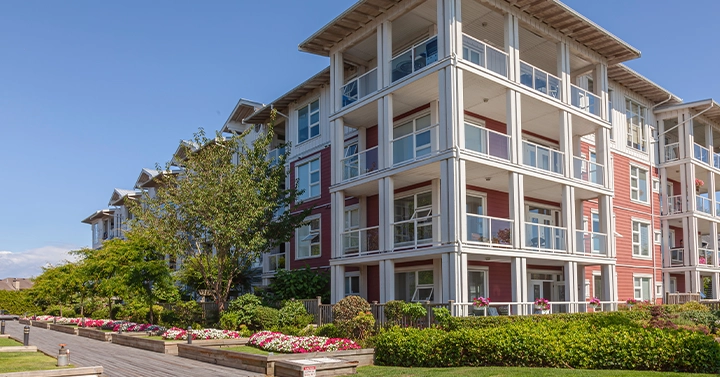
Selecting a senior living community is an important choice that can significantly affect physical well-being, emotional stability, and overall quality of life. Whether you’re planning your own move or assisting a loved one, it’s essential to look past surface details during the decision-making process. Understanding the different types of senior living options—and assessing both obvious features and subtle qualities—can help you find a setting that feels inviting, supportive, and comfortable.
Grimes Financial Group in Columbus, OH, is dedicated to helping our clients’ well-being in every way we can. Below are key factors to consider as you compare communities and decide which environment can best encourage a fulfilling lifestyle.
Opportunities for Social Connection and Meaningful Activities
Strong social connections are vital for emotional health as we age. A quality senior living community should provide ongoing opportunities for residents to connect, learn, and stay active—not just occasional gatherings. Request a copy of the activity calendar and look for offerings that reflect personal interests, such as:
- Arts and cultural events: Concerts, creative workshops, theater trips, or guest speakers.
- Physical wellness programs: Gentle exercise classes like stretching, yoga, aquatic fitness, and balance sessions.
- Learning opportunities and hobby groups: Cooking classes, gardening clubs, book groups, or technology tutorials.
The objective is to ensure residents have access to diverse, enriching activities rather than repetitive routines.
Dining Quality and Nutritional Care
Dining is a central part of daily life, and the quality of meals can strongly influence overall satisfaction. While many communities highlight healthy and appealing menus, it’s important to explore how meals are prepared and delivered. Consider asking about:
- Nutritional guidance: Are menus developed or reviewed by dietitians to meet the specific health needs of seniors?
- Dietary accommodations: Can staff handle food allergies, medical diets, or individual preferences?
- Dining environment: Is the setting comfortable and welcoming, encouraging conversation?
- Flexible scheduling: Are residents free to choose when and where they dine, or are meals served at set times only?
Safety, Accessibility, and Thoughtful Design
Safety is essential, but the most effective communities incorporate protective features seamlessly into daily life. In addition to basic precautions, examine how the layout supports independence and easy mobility:
- Accessible floor plans: Wide hallways, ramps, elevators, and adequate lighting designed for mobility assistance.
- Emergency readiness: Clearly visible call systems in private and common areas.
- Fall reduction measures: Secure flooring, carefully placed furniture, and clear walking paths.
- Security protocols: Controlled entrances, visitor procedures, and staff present around the clock.
Location and Lifestyle Beyond the Community
The neighborhood surrounding a community can influence daily life just as much as the residence itself. A well-located senior living option should make it easy to stay connected to the larger community. Look for:
- Nearby destinations: Parks, trails, libraries, and shopping areas that encourage enjoyable outings.
- Healthcare access: Convenient access to hospitals, specialists, pharmacies, and therapy services.
- Transportation services: Scheduled transportation for appointments, errands, and social activities.
Technology and Modern Conveniences
Modern technology is playing an increasingly important role in communication, safety, and coordinated care. Communities that adopt updated systems can help residents maintain independence and peace of mind. You may want to ask about:
- Dependable internet service: Community-wide Wi-Fi and assistance for residents who need help with devices.
- Digital health management: Electronic tools that allow staff to monitor medications and care plans efficiently.
- Safety-focused innovations: Wearable alerts, motion sensors, or discreet monitoring systems that enhance well-being.
Community Culture and Shared Values
Each senior living community has its own personality. Taking time to understand the culture can help determine whether it aligns with your expectations. During visits, observe and inquire about:
- Interactions among residents and staff: Do people seem welcoming, courteous, and genuinely engaged?
- Guiding principles: Some communities emphasize faith-based living, sustainability, volunteerism, or lifelong learning.
- Resident participation: Are residents encouraged to provide feedback, plan activities, or take part in decisions?
Individualized Care and Long-Term Flexibility
Because care needs can change over time, it’s wise to select a community that can evolve with you. Ask how services are tailored and how changes in care are handled.
- Continuum of care: Can additional assistance be provided without relocating if health needs increase?
- Regular assessments: How frequently are care plans reviewed and adjusted?
- Available services: Access to rehabilitation, memory care, or temporary support when needed.
Transparency and Trustworthiness
A trustworthy senior living community should be transparent about every aspect of residency. Make sure you clearly understand:
- Pricing structure: What is included in the base fee, and which services require additional payment?
- Agreements and policies: Terms regarding move-ins, move-outs, refunds, and notice requirements.
- Compliance status: Will they share inspection reports or licensing information upon request?
Overall Atmosphere and First Impressions
In many cases, the final decision depends on the overall impression. As you tour a community, trust your instincts and observe:
- Tone and environment: Does the atmosphere feel peaceful, energetic, or balanced—and does it match your preferences?
- Cleanliness and maintenance: Are common areas and living spaces clean and well-maintained?
- Sense of connection: Do residents seem at ease with one another and with staff members?
Finding the right senior living community requires patience, thoughtful inquiry, and attention to detail. By considering both practical factors and emotional comfort, you can select a place that promotes safety, dignity, and a strong quality of life—now and in the future.
If you are exploring ways to build additional retirement savings—perhaps to help finance your move to a senior living community—consider contacting Grimes Financial Group in Columbus, OH. We can walk you through a range of retirement options that may help you in your goals.